The new tile in the lobby, and what it is actually offering you
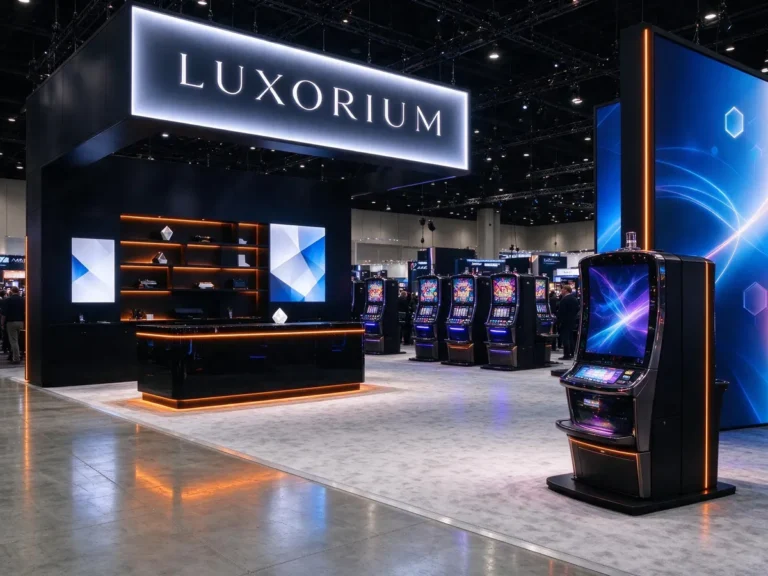
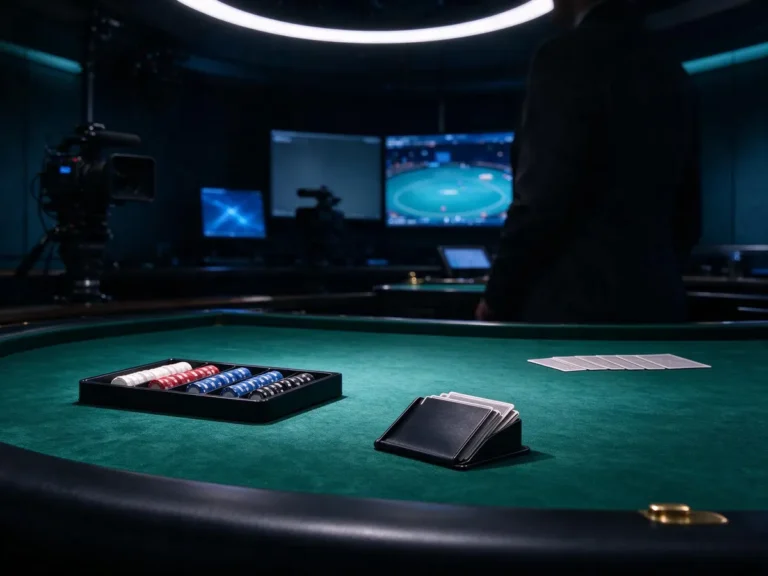
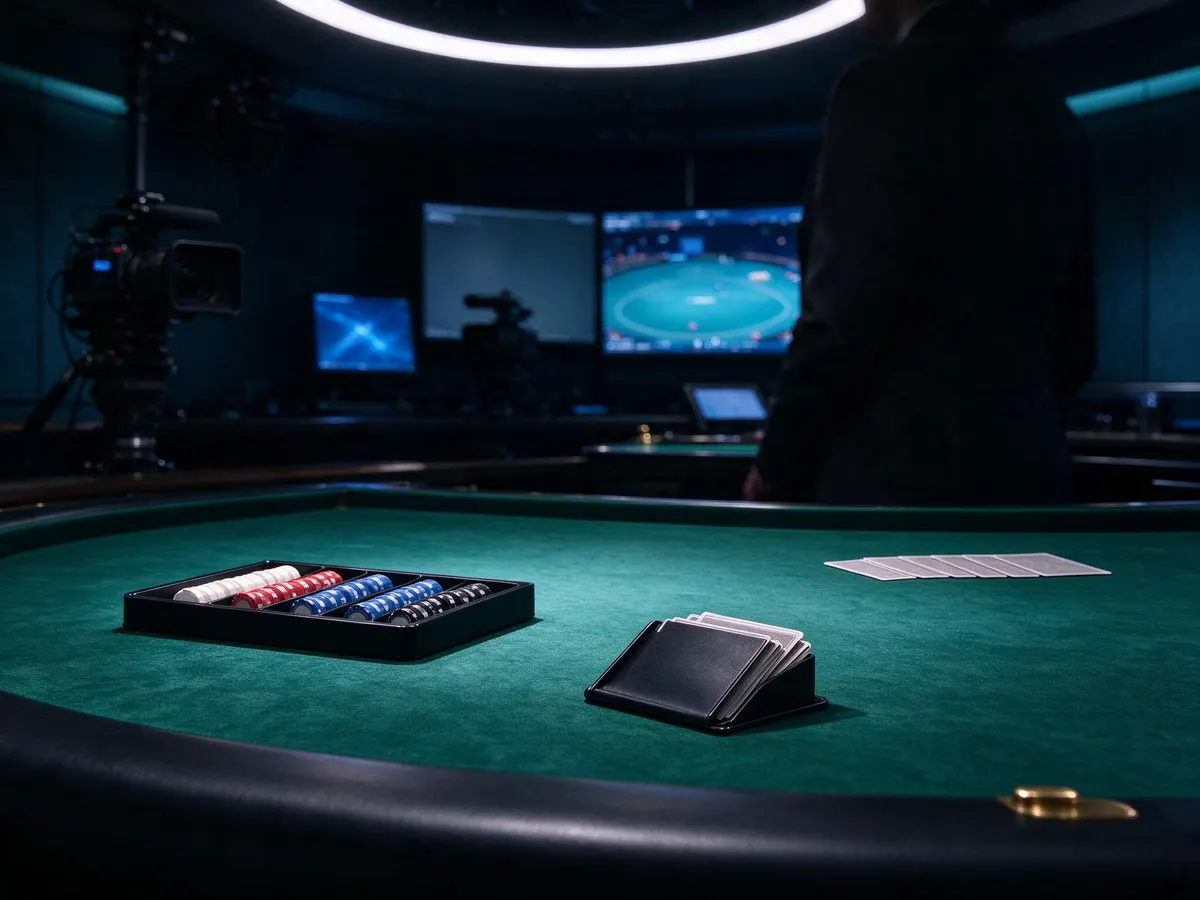
It is half time, you have a bet riding on the second half, and the live casino rail at the bottom of your screen now has a blackjack table on it that was not there last month. That table is the product of a live dealer blackjack launch from Amusnet: a new broadcast facility called TRIPLEX Studio and its first live blackjack release, Blackjack Live, unveiled as the supplier marks its tenth anniversary.
Zlatko Ivanov, Director of Product, Live Casino at Amusnet, has framed the build around three things: ultra-low latency streaming, a multi-environment studio design that lets several table styles share one facility, and bonus mechanics baked into the game rather than bolted on by the operator. That is the supplier’s pitch, and it is a reasonable one for a company trying to move from slots into the fastest-growing part of online casino.
What the launch material does not publish is the part that decides what the table costs you to play: deck count, whether the dealer hits or stands on soft 17, whether a natural pays 3:2 or 6:5, the side bet paytables, and the limits each operator will set. Until those appear in the game’s own info panel, a new studio tells you how the table looks, not what it pays. So here is the order I would check things in, before you put a chip down on any new live blackjack table, Amusnet’s included.
Step one: open the rules card before you admire the room
Blackjack’s house edge is set almost entirely by the rules on the card, not by the studio. Played with correct basic strategy under common multi-deck rules, the edge against you sits around 0.5%. Change one line on that card and the number moves more than any amount of lighting design ever will.
The single biggest line is the blackjack payout. A 6:5 natural instead of 3:2 adds roughly 1.4 percentage points to the house edge, which means a table advertised as “low edge blackjack” can quietly cost you four times more per hand than the version you learned the strategy for. These are the approximate effects of the main rule variations, measured against a standard multi-deck game:
| Rule on the card | Better for you | Approximate effect on house edge |
|---|---|---|
| Blackjack payout | 3:2 | 6:5 costs about +1.4 points |
| Dealer on soft 17 | Stands | Hitting costs about +0.2 points |
| Double after split | Allowed | Allowing it saves about 0.14 points |
| Late surrender | Offered | Offering it saves about 0.08 points |
| Number of decks | Fewer | Eight decks versus one costs roughly half a point |
Those figures assume you play basic strategy accurately. If you deviate, the gap widens, and no rule set rescues guesswork. None of this is a way to beat the game: even the friendliest live blackjack table keeps a mathematical advantage over every hand you play, which is exactly why it exists.
Step two: price the side bets and the integrated bonus mechanics
Side bets and in-game bonus features almost always carry a much higher house edge than the main hand, often several times higher. That is the honest trade behind the word “integrated”. When a supplier builds bonus mechanics into the game engine, the extra volatility and the extra margin come from somewhere, and that somewhere is a separate wager with its own paytable.
This matters more in a multi-environment studio than it used to. The point of a build like TRIPLEX is that one facility can serve several table formats, and the cheapest way to differentiate those formats is with features, multipliers and optional bets rather than with different core rules. Expect the new tables to arrive with more buttons, not fewer.
Insurance deserves its own line because it is the one every live dealer offers you out loud. In a six-deck shoe, taking insurance costs about 7% of the insurance stake on average. Decline it. Every time, including when you hold a blackjack, unless you are counting cards, which you cannot meaningfully do against a shoe that gets shuffled on a schedule and a stream you do not control.
Step three: count hands per hour, not minutes played
Ultra-low latency is the headline feature of the new studio, and it is the feature with the clearest effect on your bankroll. Latency does not change the house edge by a single basis point. It changes how many hands that edge gets applied to in an hour, and your expected cost is hands multiplied by average stake multiplied by edge.
Run the arithmetic on yourself. Sixty hands an hour at a £5 stake with a 0.5% edge is about £1.50 an hour in expected loss. Move to a 6:5 table at roughly 2% and the same hour costs about £6. Add a side bet on every hand and you can double that again without ever raising your main stake. A faster, smoother table is a better product and a more expensive hobby, and both of those statements are true at once.
Multi-seat play and bet-behind options compound the same effect. Three seats at a smooth table is three times the turnover, which is why those features exist on the operator side of the business.
Step four: check the bonus weighting before you plan to clear anything on blackjack
Live blackjack is usually one of the worst games on the site for clearing a welcome bonus, and the reason is game weighting rather than the game itself. Slots typically contribute 100% of your wagering; live table games often contribute 10% or less, and some operators exclude live blackjack entirely while a bonus is active.
The maths is unforgiving. A 30× requirement on a £1,000 bonus means £30,000 of qualifying turnover. At 10% weighting, you would need £300,000 wagered at the blackjack table to clear it. Add the max-bet cap that applies while a bonus is live and the strategy collapses on its own. If you want to play the new table, play it with cash. If you want the bonus, read which games actually count toward it.
The case against me, and why I still land where I do
There is a defensible reading of launches like this that says the studio is the story. Production quality, dealer presentation and stream stability are what keep players at a live table rather than bouncing back to the sportsbook, and a supplier that can run multiple environments from one facility can ship tables faster and get them in front of more operators. On that reading, a new studio genuinely does change the live casino market, because availability and format shape what people play far more than paytables do.
I think that is right about the industry and wrong about your wallet. Amusnet is a slots-led supplier building live credibility in a segment dominated by a handful of incumbents, and TRIPLEX is a serious answer to that problem. But for the person placing the bet, a new studio is close to cosmetic and the rules card is not. The things a modern studio build changes most directly, round speed, side bet density and in-game bonus features, all push your cost per hour up rather than down. The thing that could push it down, a generous rule set with 3:2 naturals and a dealer standing on soft 17, is decided table by table and operator by operator, and has not been published.
Which leaves one genuinely open question, and it is the one worth watching as these tables roll out across sportsbook lobbies this year: will Amusnet compete on rules, or on features? If the first Blackjack Live tables land at 3:2 with modest limits, this is a good launch for players as well as for the supplier. If they land feature-heavy with a 6:5 payout and a stack of side bets, it is a good launch for everyone except the person at the table. Open the info panel and you will know within thirty seconds.
Keep the usual guardrails on either way: set a deposit or loss limit before you sit down, treat the hourly cost you calculated as the price of entertainment rather than a target to recover, and use the operator’s cool-off or self-exclusion tools if the session stops feeling like one. Support is available through national gambling helplines if you need it.
About the Author