Stand C219, Lisbon, the morning of 29 September
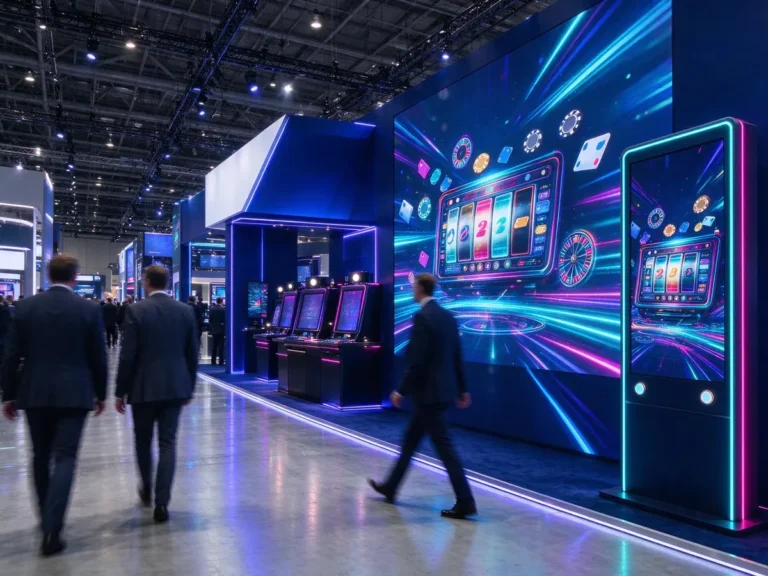
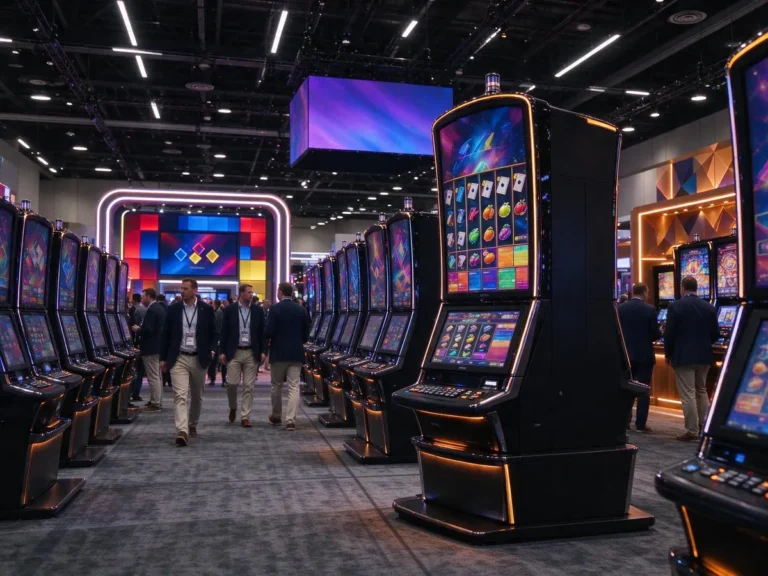
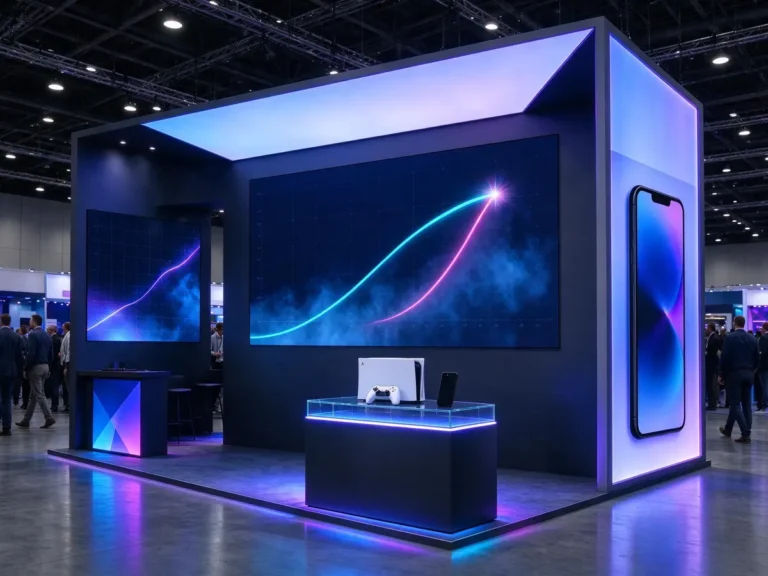
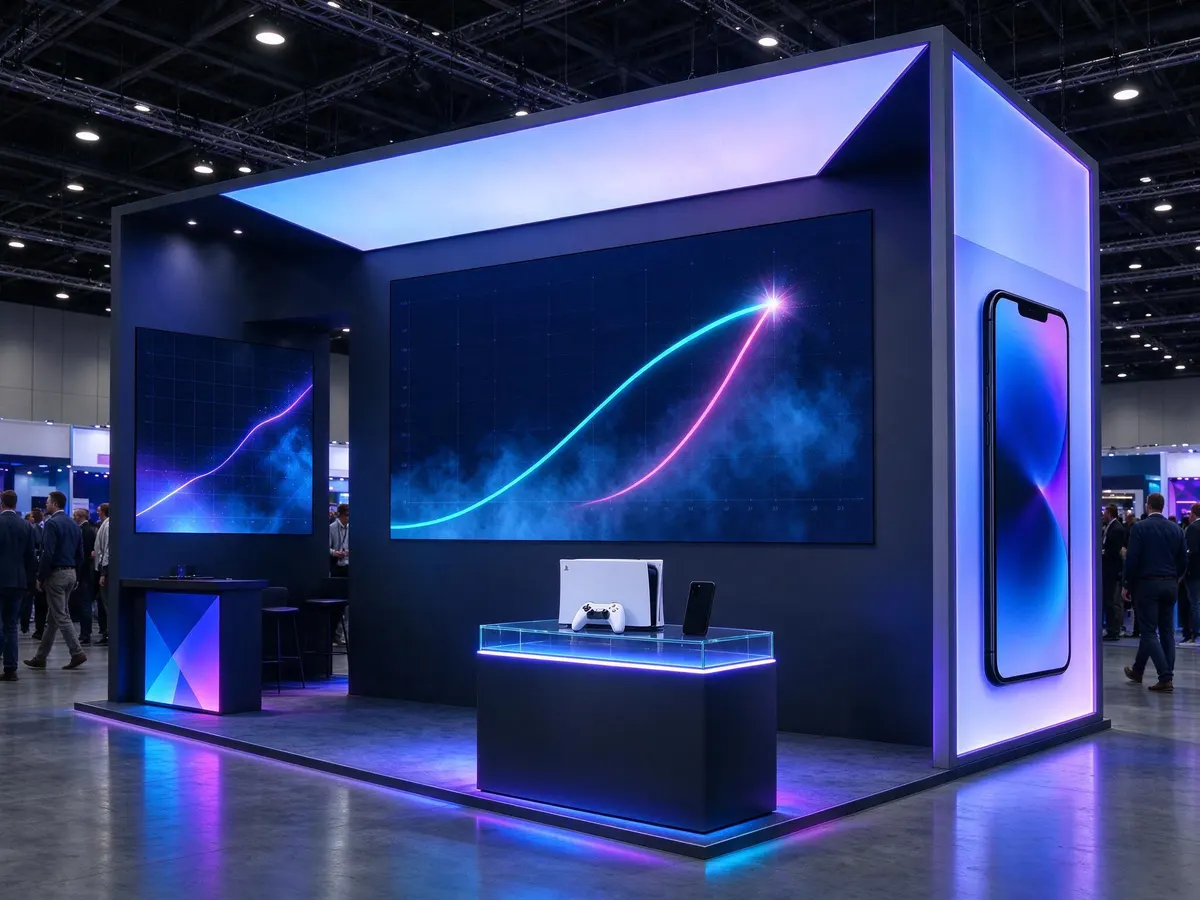
Galaxsys arrives at SBC Summit Lisbon 2026 with its latest titles, a look at upcoming releases, and a raffle offering visitors a PlayStation 5 or an iPhone 18 Pro Max, all staged at Stand C219 from 29 September to 1 October. The draws are held on both 29 and 30 September at 4:00 PM at Stand C219. That is the announcement in one sentence, and the first thing worth noticing about it is the order in which those elements got billed.
The console and the phone are in the headline. The galaxsys new casino games are behind them. For anyone standing on the show floor with a badge and a coffee, that ordering makes perfect sense. For a bettor reading about it from outside, it inverts the only part that actually reaches your account.
The announcement, stripped of the press release
Here is everything the supplier has actually committed to in public, with nothing added:
| Detail | What was announced |
|---|---|
| Event | SBC Summit Lisbon 2026 |
| Dates | 29 September to 1 October |
| Location | Stand C219 |
| On show | Latest games plus upcoming releases |
| Raffle prizes | PlayStation 5 or iPhone 18 Pro Max |
| Draws | 29 and 30 September, 4:00 PM, Stand C219 |
Notice what is absent. No title names in the announcement, no RTP figures, no release dates, no list of operators taking the exclusive content. That is standard for a pre-show note, and it is also the reason you should not form an opinion about these games yet.
The raffle is for the badge holders, not for you
The PS5 and the iPhone 18 Pro Max are prizes for stand visitors at a business-to-business conference, which means operators, affiliates, payment firms and journalists. They are not a player promotion, they will not appear in your casino lobby, and no deposit gets you an entry. If you came to this story hoping to enter, that is the honest answer.
There are two fair ways to read a booth raffle like this. The uncharitable one: hardware giveaways are a standing fixture of trade-show marketing, they say nothing about the product, and the only thing they measure is footfall. The charitable one: a supplier spending on a draw, a stand and a slate of unreleased content is a supplier with a distribution push behind it, and distribution is what decides whether you ever see the games.
I lean to the second reading, with one correction. The giveaway is noise. The word doing the real work in that announcement is “exclusive”, because exclusivity in supplier language usually means a title goes live with one operator before it goes anywhere else. That is a commercial signal about availability, and availability is the part that affects players.
Why a crash supplier shows up in a sportsbook story at all
Galaxsys sits in the fast, instant and crash-style corner of the supplier market, and that corner has been colonising sportsbook lobbies for a reason. A crash round is a multiplier that climbs from 1.00× and stops at a random point; you either cash out before it stops or you lose the stake. It resolves in seconds.
That shape fits the gap between a corner and a throw-in better than a 20-line slot does. Operators who run a sportsbook and a casino on one wallet have worked this out, which is why the casino tab next to your bet slip keeps filling with multiplier games, instant wins and short-session formats rather than long-form video slots. A new slate from a supplier in that niche is, practically, a preview of what your sportsbook’s casino tab looks like in six months.
The number on the stand screen and the number in the paytable
Crash titles are marketed on their ceiling. A maximum multiplier printed in bold on a booth screen is a genuine figure, and it is also close to meaningless for working out what the game costs you, because it describes the single most extreme outcome the maths permits rather than the typical one.
The figure that matters is RTP, the long-run share of all wagers a game returns across millions of rounds. A title returning 96% carries a 4% house edge, and that edge applies whether the round ends at 1.01× or at four figures. Nothing in the cash-out mechanic changes it. Cashing out early produces frequent small wins and a low-variance session; letting it ride produces rare large ones and a swingy session. Both distributions sit under the same RTP.
This is where I would push back on how instant games get sold, including by suppliers whose products I rate. The cash-out button genuinely does hand the player a decision that a slot spin does not, and that feels like control. It is control over volatility, not over expected value. Anyone telling you a cash-out pattern beats the maths is selling something.
What to check when one of these titles turns up in your lobby
By the time an exclusive release reaches a regulated lobby, the marketing has fallen away and the facts are in the game information panel. Read it before the first round:
- Check the published RTP for that specific title, since suppliers often ship multiple RTP versions and operators choose which to deploy.
- Check whether the game is provably fair, and whether the server and client seeds are actually exposed for verification.
- Check the auto cash-out settings, because a fixed multiplier removes the reflex element that costs most players their round.
- Check the maximum win cap, which can bite long before the advertised ceiling multiplier does.
- Check game weighting in any bonus terms, since instant and crash titles frequently contribute less than 100% towards wagering requirements, or are excluded outright.
That last point is the one that catches people. A sportsbook casino bonus with a 30× playthrough on a 10,000 rupee bonus needs 300,000 rupees wagered, and if the new crash game you want to play contributes 10% towards that, you are clearing it ten times slower than on a qualifying slot. The exclusion is in the terms, not on the banner.
What is still open
The titles themselves have not been named publicly, the RTP configurations are unknown, and the operators carrying the exclusive content have not been disclosed. Until those land, the only verifiable part of this story is a stand number, three dates and two consumer electronics prizes.
So treat Lisbon as a scheduling note rather than a verdict. The games get judged where you can actually read their paytables. And if a short, fast, high-variance format does arrive in your lobby, set a deposit limit and a session limit before you open it, because games that resolve in four seconds are the ones that make an hour disappear quickest.
About the Author